Wireshark Tutorial On For Mac
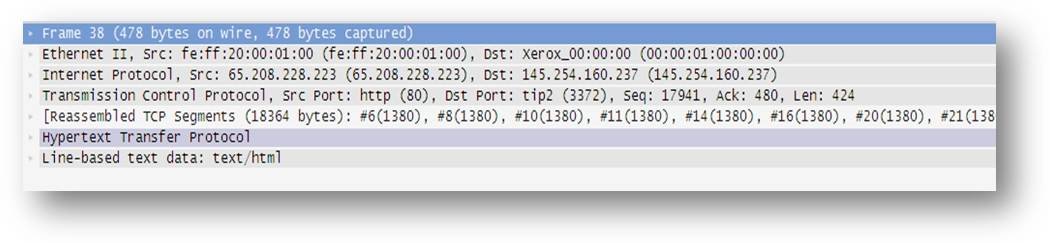
Is a very powerful and popular network analyzer for Windows, Mac and Linux. It’s a tool that is used to inspect data passing through a network interface which could be your ethernet, LAN and WiFi. If you’d like to see our The series of data that Wireshark inspects are called ‘Frames’ which includes ‘Packets’. Wireshark has the ability to capture all of those packets that are sent and received over your network and it can decode them for analysis. When you do anything over the Internet, such as browse websites, use VoIP, IRC etc., the data is always converted into packets when it passes through your network interface or your LAN card. Wireshark will hunt for those packets in your TCP/ IP layer during the transmission and it will keep, and present this data, on its’ very own GUI. It is important to note that whilst this is an excellent tool for a network administrator that needs to check that their customers sensitive data is being transmitted securely – it can also be used be used by hackers on unsecured networks – such as airport WiFi.
Moral of the story at this point is to stay clear of clear text http protocols: that is the best advice we can give. To remedy this we would encourage you to use a Firefox addon called or use an SSH or VPN tunnel. Step 1: Start Wireshark! Wdc wd1600js 00ncb1 drivers for mac. To open wireshark in Linux (after you have downloaded it) open it in a terminal with: “gksudo wireshark” – this will open the wireshark GUI. Worth quickly noting that wireshark comes pre-installed with most pentesting Linux distro’s like and The “gksudo” command tells your Linux box to open the application, in this instance wireshark, in its’ native GUI whilst in a super-user mode, aka.
Step 2: Wireshark GUI Once the wireshark GUI has opened, you’ll see that the dashboard has a left column box called ‘Interface List’. This list lets you know which devices and capture cards you can use. At the top of the application there is an option called ‘Capture Options’ which is exactly that, it allows you to modify and tweak how you would like to capture the packets of data that are being transmitted over your network.
Wireshark Interface If you have a look at your interface list (see Step 2 and the associated screen shot) you’ll see that one of your devices is actually sending and receiving packets. Options include promiscuous mode and capture mode etc. Have a play around with these and understand what each of these functions does – and you will rapidly learn how to effectively use wireshark. Capture Interface Options This screen shot shows the wireshark capture interfaces, in other words, it shows what processes and platforms are receiving and sending data on your machine. If you have a wireless card, then it will show it, etc. The Main Packets Panel Once you are happy with the interface you’d like to use, go ahead and click ‘start’ and wireshark will show all the packets that are being transmitted over your network. If you open a web browser or for exampl,e watch a video on YouTube, you’ll notice a sudden surge of packet data.
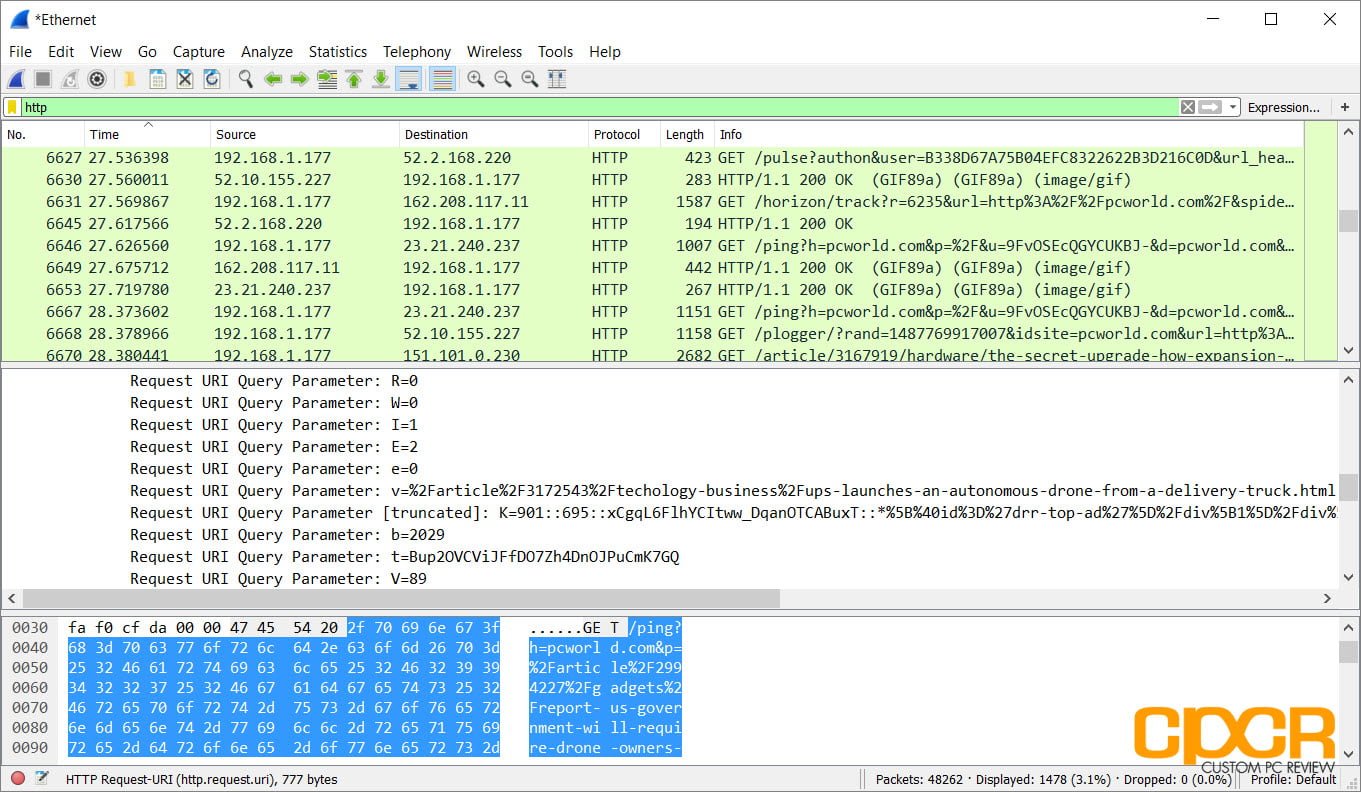
The whole point here is to find patterns or anything that looks suspicious. Taking the columns at the top of the wireshark interface from left to right, the first number is the ‘packet number’. The second column shows how many seconds it has been since the start of the capture. The third column is the source IP Address and the fourth column shows the destination IP Address.
The fifth column is the protocol that sent the packet, i.e. It could be DNS, TCP (Transmission Control Protocol) or even HTTP. Filtering the packets is key when using wireshark – done by using the search bar within the interface (top left). If you right click on a packet of interest you can ‘follow TCP stream’ and you get a ton of raw information. Summary Learn wireshark! Even you are a system administrator or if you are just starting out your career as a penetration tester, you need to know what is happening on the network on which you work!
Let us know your thoughts! Are you a wireshark veteran, is there something else we should add to this simple demo? If you are interested in seeing a demonstration of how to use wireshark when hacking into VoIP then head on over to our excellent demo with Mile2’s Eric Deshetler where he shows.

Hi I would like to capture the communication between my browser and a server with Wireshark on mac os 10.6.6 but i can't get any interface. So I went 'in read me 1st' then through forums and i understood that I must put the ChmodBPF folder (provided with the soft) in the /Library/StartupItems directory in order to give to Wireshark access to the BPF device. (I hope I'm on the right way to solve the issue.) I tried with the console and administrator session to do this but seems that i don't have permission to do this so i put it in /Library and just to try i launched ChmodBPF manually (still with administrator session) but I get this as answer: 'line 35: $1: unbound variable logout' I m really stuck since more than 40 hours now, I read tutorials and watched videos on Wireshark and it seems really great, this is why I insist so much in trying to have it work, I keep on searching but now I m starting to believe that I wont find without ur help.
Pls I need u:). Something is amiss. So, let's try this. First we'll delete the ChmodBPF directory that you've created, then we'll copy the directory over properly. 1) Download the latest Wireshark.dmg file and open it up. If done properly, a new Finder window should open. Just leave it.
2) Open a terminal window. Issue this command to verify that the dmg is loaded in the usual spot: 'ls /Volumes/Wireshark/Utilities/' If you see the list of files then it's loaded properly. 3) Now, let's delete what you've installed before. Issue this command: 'sudo rm -rf /Library/StartupItems/ChmodBPF' If this returns an error then the ChmodBPF must not be there.
4) Now to copy the ChmodBPF startup item properly: 'sudo cp -R /Volumes/Wireshark/Utilities/ChmodBPF /Library/StartupItems' 5) Now change the owner of the ChmodBPF startup item: 'sudo chown -R root:wheel /Library/StartupItems/ChmodBPF' 6) Now just run 'sudo SystemStarter start ChmodBPF' or reboot, and test it out. Ok i followed the steps and all worked exactly like you said: 1 the window opened at download, 2 I left it and found the files when typed the 'ls' command, 3 then 'sudo rm' didn't return any error so it means that it was there and got deleted, 4 no error neither when i copied the ChmodBPF with 'sudo cp':) I had a reboot and it looked as usual (no problem) (i find whole Wireshark directory in the Library/StartupItems directory) So I opened Sharkwire opened capture to choose an interface but no interface yet. Ok I retrace what i do 1) I launch WireShark.dmg file. A new Finder window opens. 2) I Open a terminal window. Issuing this command to verify that the dmg is loaded in the usual spot: 'ls /Volumes/Wireshark/Utilities/' I see the list of files sothen it's loaded properly. 3) I delete what I've installed before, issuing this command: 'sudo rm -rf /Library/StartupItems/Wireshark' 4) I copy the ChmodBPF file: 'sudo cp -R /Volumes/Wireshark/Utilities/ChmodBPF/ChmodBPF /Library/StartupItems' 5) sudo chown -R root:wheel /Library/StartupItems/ChmodBPF (I see no message when I do it so I think it works) 6) sudo SystemStarter start ChmodBPF (no message neither) I reboot then and still no interface.
Wireshark On Mac
Yaaayyyyyyyy:D thank you so much GeonJay and Guy Harris you both rule dang I m so happy and I although realise, that i would certainly have given up before it works without your help. I just put on here the whole way to do it for the next ones like me:) 1) Download Wireshark 64 bit version launch WireShark.dmg file.
Wireshark Tutorial On For Mac Free
A new Finder window opens. 2) Open a terminal window. Issuing this command to verify that the dmg is loaded in the usual spot: 'ls /Volumes/Wireshark/Utilities/' If u see the list of files then it's loaded properly. 3) Copy the ChmodBPF file: 'sudo cp -R /Volumes/Wireshark/Utilities/ChmodBPF/ /Library/StartupItems' 4) sudo chown -R root:wheel /Library/StartupItems/ChmodBPF 5) sudo SystemStarter start ChmodBPF Thank you again Geonjay and Guy Harris:D now i ll b able to enjoy this powerful tool on my mac os version 10.6.